
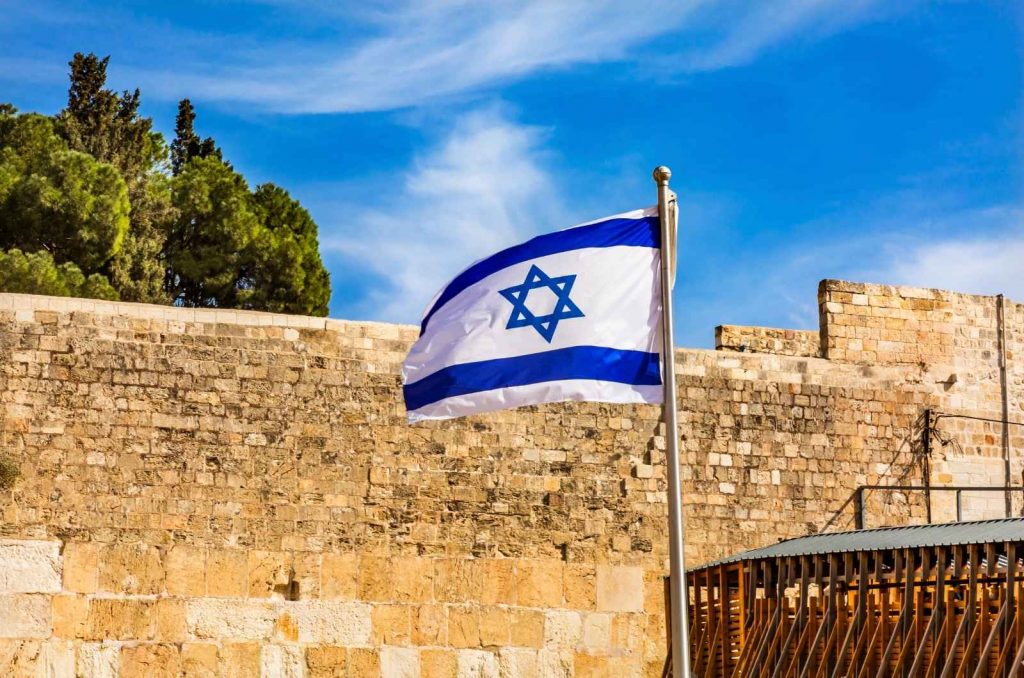
A Christian pilgrimage to Israel offers believers the extraordinary opportunity to walk where Jesus walked, transforming biblical narratives from ancient texts into living, breathing experiences. In 2025, professional tour operators like Talya Tours https://www.talyatours.com/ provide comprehensive journeys that connect faith with physical locations across the Holy Land.
The foundation of any meaningful pilgrimage begins with understanding what differentiates a spiritual journey from ordinary tourism. A pilgrimage focuses on deepening faith through direct encounter with sacred sites mentioned throughout scripture. Travelers visit locations where Christ performed miracles, delivered sermons, and ultimately sacrificed himself for humanity's salvation.
Jerusalem stands as the spiritual center of Christianity. The Old City contains the Via Dolorosa, where Jesus carried his cross to Golgotha. Pilgrims walk this path, pausing at each of the Stations of the Cross to reflect on Christ's suffering. The Church of the Holy Sepulchre marks the traditional site of crucifixion and resurrection, drawing millions annually.
?Why Do Pilgrims Choose the Holy Land
The decision to undertake a Christian pilgrimage stems from multiple motivations. Many seek to deepen their understanding of biblical events by experiencing the geographical and cultural context firsthand. Reading about the Sea of Galilee differs dramatically from standing on its shores at sunrise, imagining Jesus calling his first disciples.
Others pursue spiritual renewal. Daily life's demands often crowd out contemplative practice. A pilgrimage removes normal distractions, creating space for prayer, meditation, and communion with God. Group pilgrimages foster community among believers who share similar faith journeys.
Educational benefits prove substantial. Expert guides provide historical context, archaeological insights, and theological perspectives that illuminate scripture in fresh ways. Understanding first-century Jewish culture helps explain parables and teachings that sometimes seem obscure to modern readers.
?Which Biblical Sites Should Every Pilgrim Experience
Nazareth, Jesus's childhood home, features the Basilica of the Annunciation, built over the traditional site where angel Gabriel appeared to Mary. The city preserves glimpses of life during Jesus's formative years.
The Sea of Galilee region contains numerous significant locations. Capernaum served as Jesus's ministry headquarters. Archaeological remains include a synagogue built over the one where Christ taught. The Mount of Beatitudes overlooks the sea from the traditional site of the Sermon on the Mount. Many pilgrims take boat rides across the water, connecting with the disciples' fishing livelihood.
Bethlehem draws pilgrims to the Church of the Nativity, marking Christ's birthplace. The ancient structure, one of Christianity's oldest continuously operating churches, survived centuries of conflict and conquest.
The Jordan River baptism site allows believers to participate in the same waters where John baptized Jesus. Many pilgrims choose to be baptized or renew their baptismal vows in this meaningful location.
The Garden Tomb provides a peaceful alternative to the crowded Church of the Holy Sepulchre. While archaeological evidence remains debated, the rock-cut tomb and surrounding gardens offer space for reflection on resurrection morning.
?How Do Professional Tour Operators Enhance the Experience
Selecting an experienced tour operator significantly impacts pilgrimage quality. Professional companies handle complex logistics including accommodations, transportation, site reservations, and guide services. This allows pilgrims to focus on spiritual experience rather than practical details.
Licensed guides bring expertise that transforms site visits from simple tourism into deep learning experiences. They explain archaeological findings, share historical context, and help connect ancient events with contemporary faith practice.
Safety and security expertise proves essential. Professional operators maintain relationships with local authorities, monitor regional conditions, and adjust itineraries when necessary. They understand checkpoint procedures, security protocols, and how to navigate politically sensitive areas.
Group dynamics benefit from experienced leadership. Tour operators carefully pace daily activities, balancing active site visits with rest periods. They arrange meaningful worship opportunities, including communion services at significant locations and group reflection times.
What Should Pilgrims Expect Regarding Accommodations and Meals?
Modern Holy Land tours typically utilize comfortable hotels ranging from three to five-star quality. Jerusalem hotels place pilgrims within walking distance of the Old City. Galilee accommodations often feature views of the sea and surrounding hills.
Meals blend local Israeli cuisine with international options. Breakfast buffets provide variety for different dietary preferences. Dinners often include traditional dishes like hummus, falafel, and grilled meats. Many tours arrange at least one special meal, such as St. Peter's fish at a Galilee restaurant.
?How Do Pilgrims Prepare for Their Journey
Physical preparation matters. Most tours involve considerable walking, sometimes over uneven terrain and hills. Comfortable, supportive footwear proves essential. Daily walking distances can reach several kilometers.
Spiritual preparation deepens the experience. Many pilgrims study relevant scripture passages before visiting sites. Reading gospel accounts of Jesus's ministry helps create anticipation and understanding.
Practical considerations include valid passports, appropriate clothing for religious sites, and understanding of local customs. Modest dress respects religious sensitivities. Women should bring head coverings for certain locations. Men need head coverings at Jewish sites like the Western Wall.
Making Your Pilgrimage Meaningful
A Christian pilgrimage to the Holy Land represents a once-in-a-lifetime journey for many believers. The experience combines faith, history, culture, and community in ways that textbooks cannot replicate. Standing where Christ stood, walking paths he walked, and seeing landscapes he saw creates permanent spiritual impact. Professional tour operators provide the structure, expertise, and support that allows pilgrims to focus on encounter rather than logistics. The memories and spiritual growth gained during these journeys continue influencing faith long after returning home.